Commercial pest control in Edinburgh city centre
City centre premises share walls, vaults, lanes and bin areas with their neighbours. Control depends on understanding the whole building, not only your unit.
Request a Commercial Proposal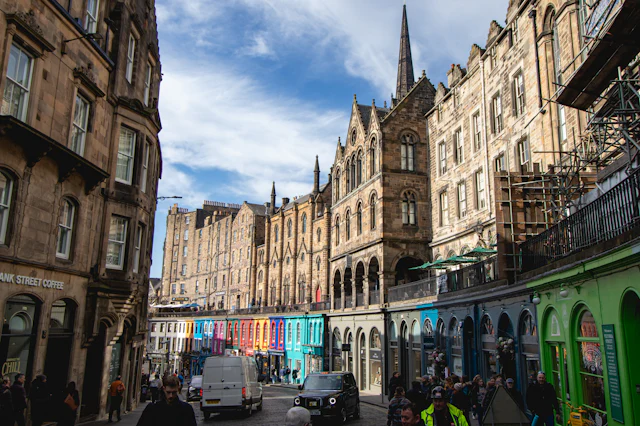
Old Town: vaults, closes and basement kitchens
Around the Royal Mile, Cowgate and Grassmarket, many businesses trade from several levels cut into a slope. A kitchen may be at street level on one side and two floors below ground on the other. Rubble walls, blocked doorways and old voids make it hard to seal a unit completely, so inspections look for the active routes and deal with those first.
New Town: basements, light wells and lanes
Georgian terraces converted to offices, hotels and restaurants have basement areas, under-pavement cellars and long shared drains. Service lanes such as Rose Street and Thistle Street put commercial waste close to back doors. Cellars that nobody uses are worth including in the inspection.
Waste, access and listed fabric
- Trade waste presented on the street at set times means bags and bins need careful storage for the rest of the day
- Delivery and parking limits affect when inspections and equipment deliveries are realistic
- Many buildings are listed or within the World Heritage Site, so proofing should be reversible and agreed with the owner where fabric is affected
- Footfall and temporary trading rise sharply in August, which adds waste pressure around permanent premises
Offices and retail off Princes Street and George Street
Upper-floor offices above shops and restaurants often inherit problems from below through risers and lift shafts. We recommend that managing agents inspect the stack, not individual floors.
What we would check first in a city centre unit
| Location | What to look at |
|---|---|
| Lowest level | Cellars, vaults and under-pavement stores, including rooms that are locked or unused |
| Party walls and ceilings | Old openings, pipe runs and voids shared with the units on each side and above |
| Back lane or close | Bin position between collections, drain covers and what neighbouring kitchens leave out |
| Entrances | Doors held open in summer, and worn thresholds on older stone steps |
Can proofing be done in a listed building?
Often, yes. Brush strips, mesh behind existing grilles and sealing around modern services can usually be done without altering historic fabric. Anything that changes the fabric should be agreed with the owner, and checked with the council where consent may be needed.
More than one site?
Sites in different parts of the city can be covered under one coordinated contract.